
3 Reasons Tempo Training Should Be In Your Program
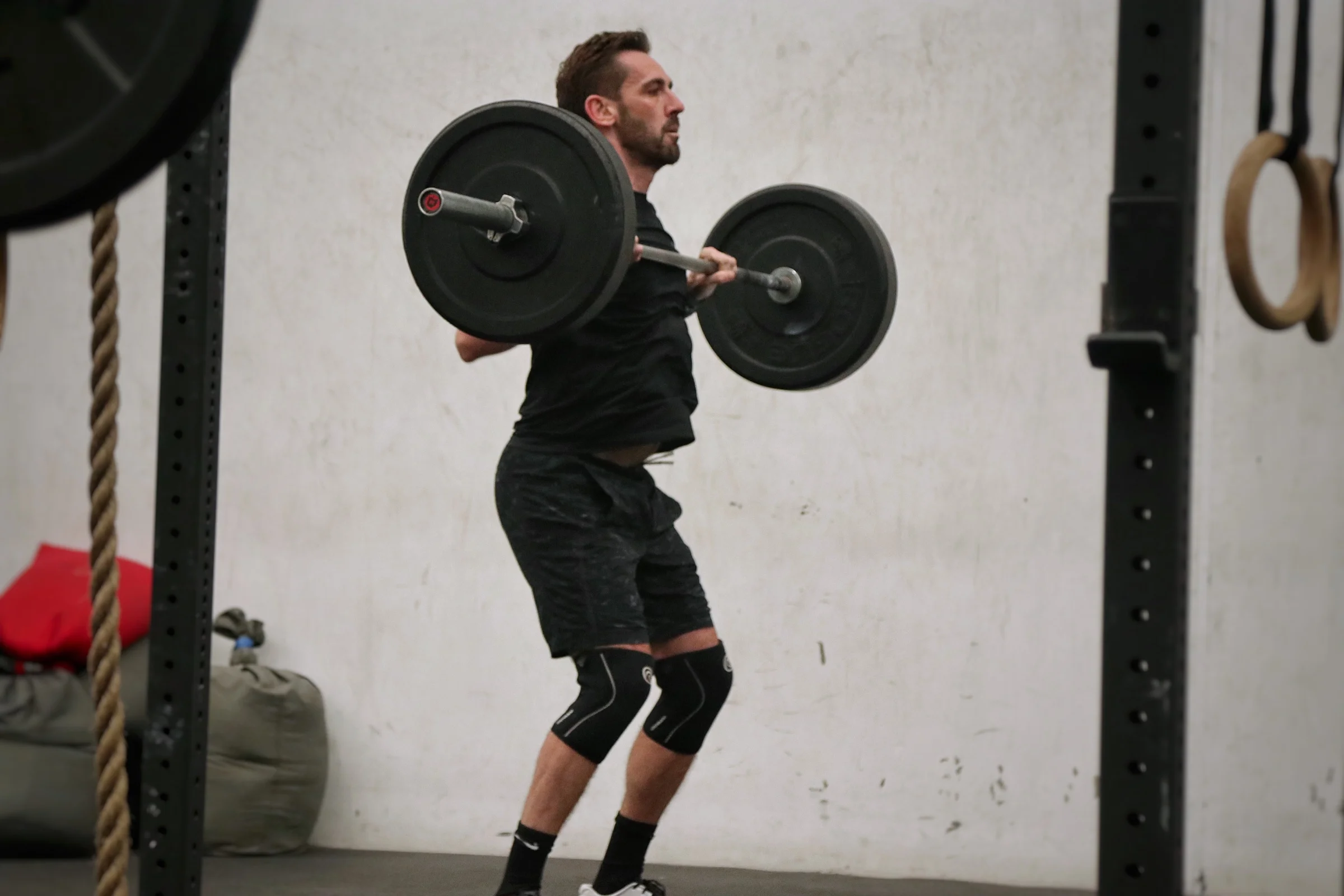
Today’s workout at the gym called for sets of Deadlifts with a 5 second lower of the bar and explosive speed on the way up. Because this is different to the way we carry out a normal Deadlift there were a few questions being asked. If this was you read below to understand why it’s in the program:
1. More Time Under Tension
This one is pretty simple. If you hold the weight for longer you require more energy and strength to do so hence building a stronger positions and movement along the way. Generally we will add the time under to the eccentric or lowering phase f a movement which is good for building lean muscle mass and common tactic bodybuilders will use to do so.
2. Addresses Positional Weaknesses In The Movement
If you’ve been lifting for a while and have plateaued but don’t know why tempo’s will help fix this. For example in a deadlift it could be the initial pull from the floor or once the bar gets above your knees that is holding you back from lifting more weight or doing more reps.
If we slow down the movement this position of weakness within the movement will be exposed and we can work towards fixing it from there.
3. Tempo Teaches Control and Safety
Slowing things down and controlling the movement will also increase the quality of reps. Using a tempo for new lifters will allow them to focus on positions and technique. Because there is more time under tension the weight will also be lighter which takes ego out of it.
How to read a tempo prescription
Tempo is written as four numbers, for example 5-0-X-0. In order, they are the seconds spent lowering the weight, the seconds paused at the bottom, the seconds spent lifting it, and the seconds paused at the top. An X means as fast as you can while staying in control. So the deadlift in the workout above reads 5-0-X-0: lower for five seconds, no pause, then lift fast.
What tempo does (and what it doesn't)
It exposes weak positions. Slowing a rep down shows you exactly where you lose position, whether that is off the floor, at the knees or at the bottom of a squat.
It lets you practise technique with less load. Because the bar is moving slowly, lighter weights feel hard, and the focus moves from the number on the bar to the quality of each rep.
It removes momentum. Pauses and slow lowering mean the muscles, not the bounce out of the bottom, do the work.
It is not a muscle-size shortcut. The research on rep speed, including a 2015 systematic review and meta-analysis by Schoenfeld and colleagues, suggests muscle growth is similar across a wide range of rep durations when sets are taken close to failure, and that very slow reps (roughly 10 seconds or more per rep) tend to do worse. Treat tempo as a quality tool, not a hypertrophy hack.
A simple way to try it
Take a lift you already know, such as the back squat. Do four sets of five at a 3-1-X-0 tempo: three seconds down, a one second pause at the bottom, then up fast. Use roughly 60 to 70 percent of the weight you would normally use for five reps, and keep the same tempo on every rep.
When to use it, and when to skip it
Good times to use tempo: learning a new lift, working past a sticking point, coming back after a break, or any time your reps have started to look sloppy.
Times to skip it: heavy max-effort singles, and sessions where the goal is speed or power. In those, you want fast, explosive intent, not slow reps.
One warning: expect to be sore
Lowering a weight slowly under load tends to cause more next-day muscle soreness than people expect, especially the first time you try it. Start lighter than you think you need to and build up over a few weeks.
Common questions
Will tempo training make me bigger or stronger?
It can help you get stronger by improving positions and control, which lets you train better. For size, volume and effort matter more than rep speed.
How often should I use tempo?
Many people use it for one or two lifts in a session for a block of a few weeks, then go back to regular reps. Your coach can set it up so it fits your program.
I’d love to answer any other questions out there so if you have one please put them in the comments below!
Shaun Diachkoff
@shaundiachkoff